

YouTube Shorts
Hit-and-Run Accident? What To Do Next
Summary
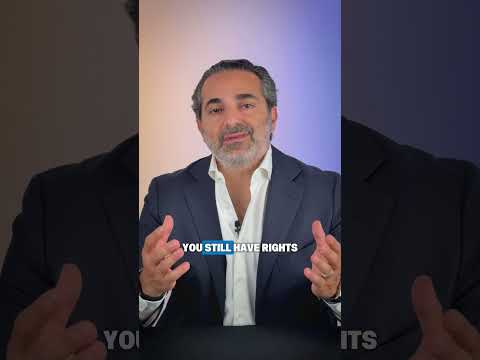
A hit-and-run can feel like the case disappeared with the driver, but evidence and insurance coverage may still create options. Matt explains why people should act quickly before video, witnesses, and physical evidence become harder to preserve.
Details
Matt explains why a hit-and-run does not automatically mean your options are gone, especially when cameras, witnesses, police reports, vehicle debris, or your own insurance coverage may still matter.
Key takeaways
- A hit-and-run is not automatically the end of a case.
- Nearby cameras, witnesses, debris, and police reports may help identify what happened.
- Your own insurance policy may include coverage that matters after a hit-and-run.
- Evidence can disappear quickly, so timing matters.
- Insurance companies may not explain every option unless you ask the right questions.
Transcript
Read the full transcript
The driver ran. Now the insurance company wants you to believe your options ran too.
A hit-and-run feels like the case disappeared with the driver.
But that is not always true.
There may be cameras, witnesses, police reports.
Business surveillance, vehicle debris, or coverage through your own insurance policy.
But you have to move fast.
Because video gets deleted, witnesses forget, evidence disappears. And insurance companies are not in a hurry to explain your options.
A hit-and-run is not automatically the end of your case.
But waiting can make it harder to prove.
Injured in an accident? Get clear answers about your case.
Request a Free Consultation No fee unless we win your case.More Videos


Need help understanding your next step?
Bridgewater Law Group offers free consultations for injured people who need clear legal guidance.
Request a Free Consultation