

Car Accident Help
Your Best Protection Starts Before an Accident
A few smart checks today can help protect your safety, finances, and legal rights if the unexpected happens later.
Request a Free ConsultationQuick Answer
Your best protection before an accident is a combination of safer driving habits, a properly maintained vehicle, useful documentation tools, emergency supplies, and an insurance policy that you understand before you need it.
The full guide
Most people do not expect to be involved in an accident. But preparation before a crash can make a major difference in how well you protect your safety, your finances, and your legal rights afterward.
The goal is not to live worried. The goal is to make a few smart decisions now, while you are calm, so you are not trying to figure everything out after a stressful collision.
Quick Answer
Your best protection before an accident is a combination of safer driving habits, a properly maintained vehicle, useful documentation tools, emergency supplies, and an insurance policy that you understand before you need it. Review your policy, consider uninsured and underinsured motorist coverage, keep key items in your car, and know what information to exchange after a crash.
Pre-Accident Protection Checklist
- Review your auto insurance policy at least once a year. Check your liability limits, uninsured and underinsured motorist coverage, medical payments coverage, collision coverage, rental coverage, and deductibles.
- Understand uninsured and underinsured motorist coverage. This coverage may matter if the at-fault driver has no insurance, not enough insurance, or leaves the scene in a hit-and-run.
- Consider a working dash camera. A dash cam may help document traffic signals, lane position, vehicle movement, impact, weather, and disputed events.
- Make seat belts non-negotiable. Everyone in the vehicle should be buckled before the car moves.
- Keep an emergency kit in the car. Include basic first aid items, flashlight, phone charger, water, reflective triangles or flares, and a notepad or accident checklist.
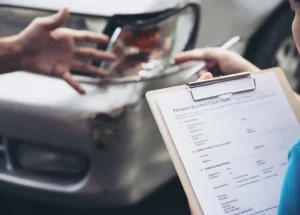
- Know what information to exchange. Driver names, license information, insurance, vehicle details, photos, witness names, and report numbers can all matter later.
- Avoid phone use while driving. Set navigation and music before you start, and keep calls hands-free.
- Inspect tires and brakes regularly. Maintenance can affect both safety and how an accident is investigated.
Why Insurance Review Matters Before a Crash
Many drivers do not review their insurance until after an accident, when it may be too late to change coverage for that incident. A policy review before anything happens helps you understand what protection you actually have, what limits apply, and whether there are gaps that could leave you exposed.
The California Department of Insurance explains that auto policies can include several types of coverage, including liability, uninsured motorist, underinsured motorist, medical payments, collision, and comprehensive coverage. Not every policy includes every protection, and limits can vary.
Why Uninsured Motorist Coverage Deserves Attention
Uninsured and underinsured motorist coverage can be valuable if the at-fault driver has little or no insurance. It may also matter in certain hit-and-run situations. Drivers should not assume they have this coverage automatically; it is worth checking the declarations page and asking the insurance carrier to explain the policy in writing.
Can a Dash Cam Help?
A dash cam is not a substitute for safe driving, medical care, police reporting, or legal guidance. But it can sometimes help document events that become disputed later, such as lane changes, sudden stops, traffic signals, road conditions, and whether another vehicle left the scene.
If you are considering a dash cam, compare video quality, field of view, night performance, storage, reliability, and ease of saving footage. The most useful device is the one that works consistently and makes it easy to preserve video after an incident.
What To Keep in Your Car
- Insurance card and registration
- Emergency contact information
- Basic first aid supplies
- Phone charger or battery pack
- Flashlight
- Reflective triangles, flares, or visibility markers
- Pen and paper or a printed accident checklist
- Water and basic comfort supplies for delays
If an Accident Still Happens
Preparation cannot prevent every accident. If a crash happens, prioritize safety and medical care first. Then document the scene, exchange information, save photos, identify witnesses, get a report number when officers respond, and avoid rushing into recorded statements or settlement decisions before you understand your injuries and coverage.
Helpful Resources
Common Mistakes
- Waiting until after an accident to review insurance coverage.
- Assuming uninsured motorist coverage is included without checking.
- Using a dash cam but not knowing how to save footage.
- Not keeping basic emergency supplies in the vehicle.
- Not knowing what information to exchange after a crash.
- Driving with worn tires or overdue brake maintenance.
- Relying on memory instead of documentation after a stressful accident.
Common Questions About This Topic
Can a dash cam help after a car accident?
Yes, a dash cam may help document what happened, especially when fault, traffic signals, lane changes, or a hit-and-run are disputed.
A dash cam can sometimes preserve useful evidence after a crash, including vehicle movement, traffic signals, sudden stops, lane position, weather, and whether another driver left the scene. It does not replace medical care, police reporting, or other documentation, but it may help clarify disputed events if the footage is saved quickly.
What should I keep in my car emergency kit?
Keep basic first aid supplies, a flashlight, phone charger, water, reflective markers, insurance information, and a simple accident checklist.
A practical car emergency kit can include first aid supplies, a flashlight, phone charger or battery pack, water, reflective triangles or flares, gloves, pen and paper, insurance and registration information, and a checklist of what to document after a crash. The goal is to help you stay safe and organized if an accident or roadside emergency happens.
What information should I exchange after a car accident in California?
Exchange names, contact information, driver's license details, insurance information, vehicle information, and save photos, witness details, and any report number.
<p>After a California car accident, exchange names, contact information, driver's license information, insurance company and policy details, license plate numbers, and the make and model of each vehicle. Also note the date, time and location. Collect information only when it is safe.</p>
<h2>Keep a record of the exchange</h2><ul><li>Photograph the documents and vehicle plates with permission when practical, or write the details down.</li><li>Save witness contact information and any police report or incident number.</li><li>Keep scene and damage photos, along with relevant messages.</li></ul>
<p>If another driver refuses to cooperate, do not confront them. Record what you can safely observe and read our guide on <a href="https://bwaterlaw.com/other-driver-wont-share-insurance-information/">what to do when a driver will not share insurance information</a>.</p>
<p>The <a href="https://www.insurance.ca.gov/01-consumers/105-type/95-guides/01-auto/hadaccident.cfm">California Department of Insurance accident guide</a> provides additional reporting and documentation guidance. If you were injured, you can <a href="https://bwaterlaw.com/free-consultation/">request a free consultation</a> while you are still gathering records.</p>
How often should I review my auto insurance policy?
Review your auto insurance at least once a year and whenever your vehicle, household, commute, or financial situation changes.
A yearly review can help you understand liability limits, uninsured and underinsured motorist coverage, medical payments coverage, collision coverage, deductibles, rental coverage, and exclusions before a crash happens. It is also smart to review your policy after buying a vehicle, adding a driver, changing jobs or commute patterns, moving, or noticing major premium changes.
What should I review in my car insurance policy?
Review liability limits, uninsured motorist coverage, underinsured motorist coverage, deductibles, medical payments, rental coverage, and exclusions.
Drivers should review liability limits, uninsured and underinsured motorist coverage, collision and comprehensive deductibles, medical payments coverage, rental coverage, roadside assistance, exclusions, and how claims are handled. After an accident, policy details can affect medical bills, property damage, and injury claims.
How does uninsured or underinsured motorist coverage work?
UM/UIM coverage may apply when the at-fault driver has no insurance or not enough insurance to cover your injuries.
<p>Uninsured motorist coverage may apply when the at-fault driver has no valid insurance, and underinsured motorist coverage may apply when the at-fault driver has insurance but not enough to cover the full loss.</p>
<p>These claims are usually handled through your own insurance company, but the process can still involve disputes about liability, medical treatment, and case value. Review your policy and get guidance before giving statements or signing releases.</p>
Continue Learning

Why LA & OC Drivers Need Uninsured Motorist Coverage
View details
What To Do After a Hit-and-Run Accident in California
A practical guide to protecting evidence, reporting the crash, and understanding insurance options after a hit-and-run accident in California.
View details
What to Save After an Uber or Lyft Accident as a Passenger
A California passenger checklist for ride receipts, app reports, accident information and records to bring to a free consultation.
View detailsCommunity & Safety Events

Bridgewater Law Group at The Miles That Matter 5K
A morning in San Dimas brought our team together with the community in support of McKinley’s work with foster children.
View details
Free Backpack & School Supply Giveaway in Downey
Bridgewater Law Group will be attending a free backpack and school supply giveaway for local families in Downey.
View detailsAttorney Review

Questions about your coverage after an accident?
Bridgewater Law Group can help you understand your options after an injury, insurance dispute, or accident caused by another person's negligence.
5.0 rating on Google, Yelp & Facebook
This resource is for general information only and does not create an attorney-client relationship. Insurance coverage, reporting duties, and injury claims depend on the facts, policy language, and California law.