A PRACTICAL TRUCK-IDENTIFICATION CHECKLIST
Who Is Responsible After a Truck Accident in California?
The driver is only one starting point when investigating responsibility for a commercial truck crash. Before anyone can evaluate the roles of a driver, carrier, owner, or other business, the vehicles and companies involved must be identified accurately.
This article focuses on the information you can organize after a collision. Our truck accident responsibility guide explains the broader questions about potentially responsible parties.
Safety comes before collecting identifiers
Call emergency services when needed and obtain medical care. Do not enter traffic, approach an unsafe vehicle, or follow a departing truck to obtain a number. You can begin a record later using photographs, documents, and information already in your possession.
Record the tractor and trailer separately
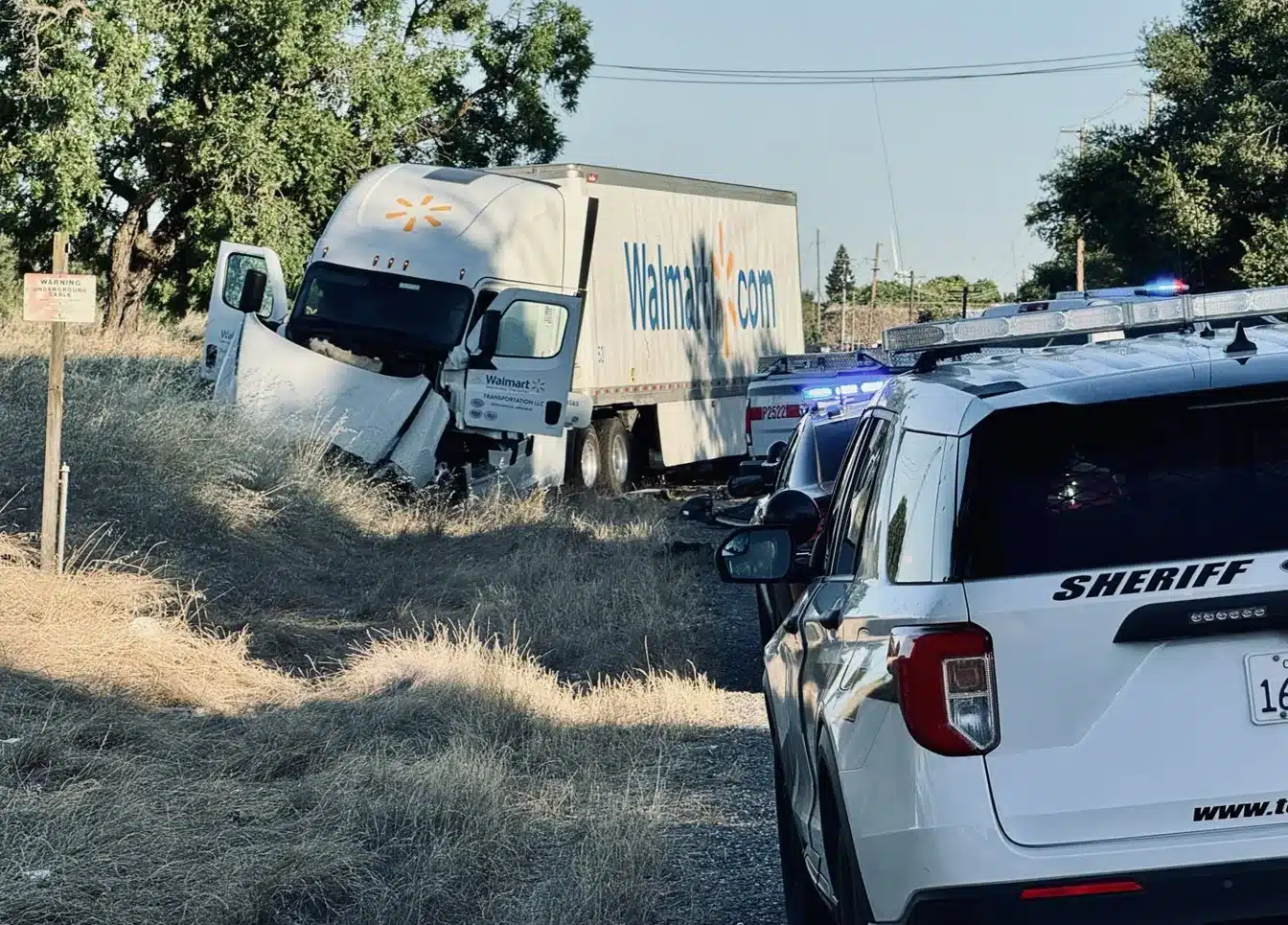
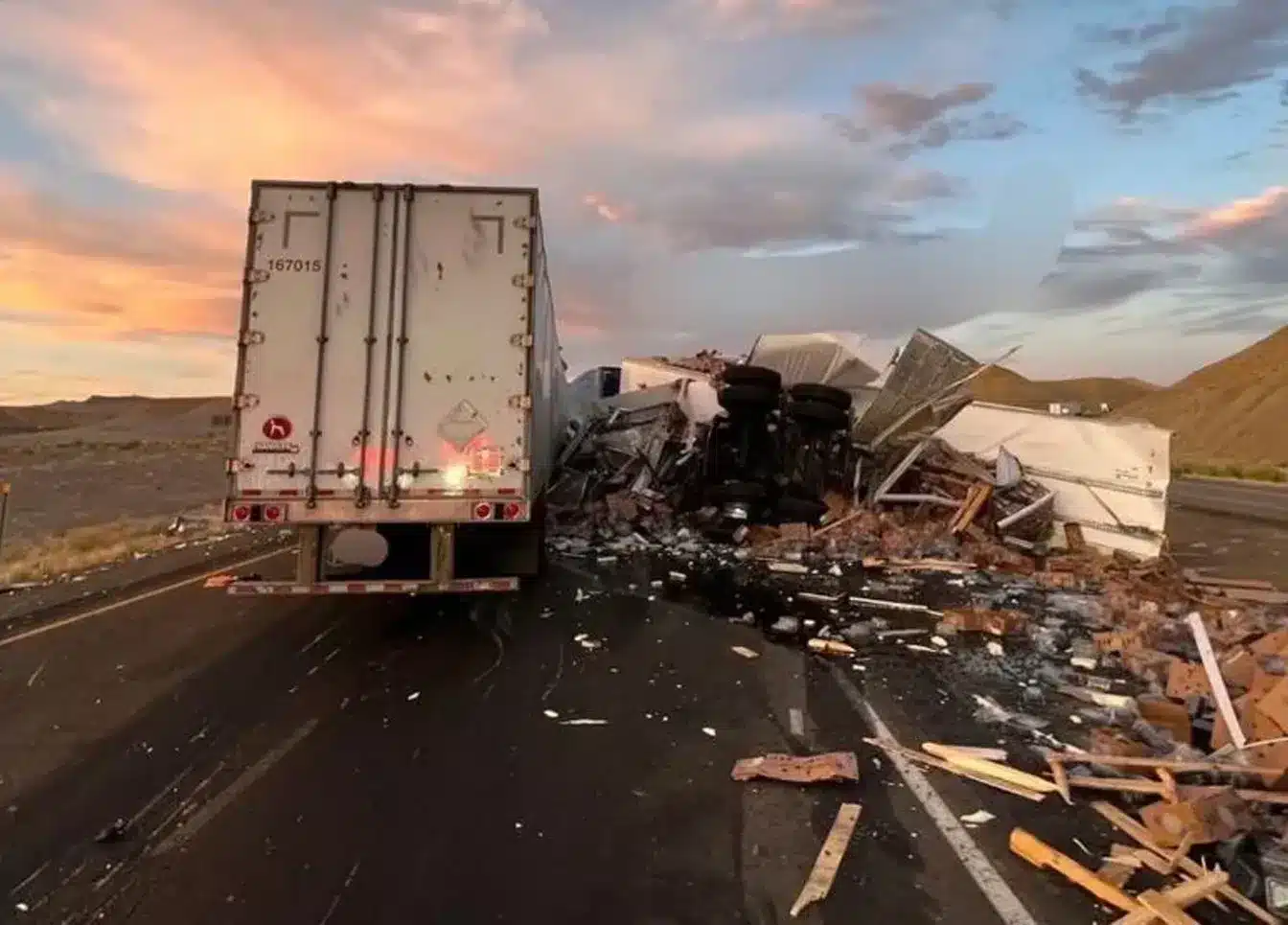
A tractor and its trailer can display different names, plates, and identification numbers. Create separate entries rather than assuming that every marking refers to the same company.
- Tractor: plate and state, business name shown on the cab, USDOT number if visible, and any unit number.
- Trailer: plate and state, trailer number, and any company name or logo.
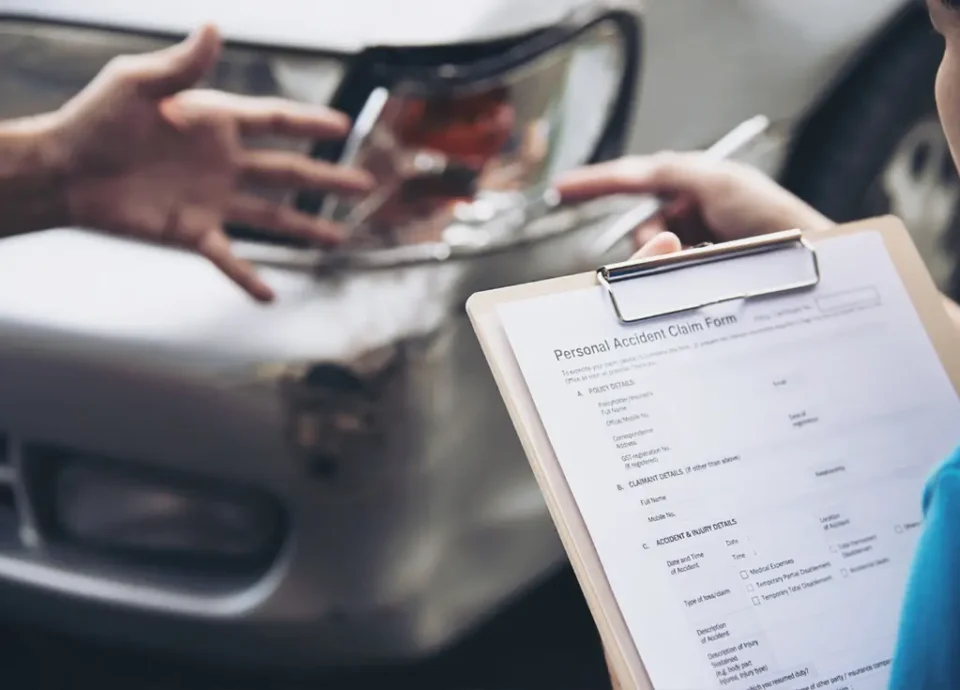
- Crash: date, time, road, direction of travel, and report or incident number.
- Contacts: information provided by the driver, witnesses, insurer, or responding agency.
Keep the original photos. If a number is blurry, mark it as uncertain instead of guessing. A logo is a lead for an investigation, not proof that the business caused the crash.
Use a carrier lookup as a starting point
The FMCSA SAFER Company Snapshot allows searches by company name, USDOT number, or MC/MX number. It provides identification and safety information about a carrier.
If you consult it, record the search date and the number used. Compare the result with your photos and documents. A similar business name, a safety rating, or a crash entry does not establish who was legally responsible for your collision.
Build a one-page identification sheet
Use four columns in your notes: detail, source, date collected, and uncertainty. For example, write “cab company name — scene photo — crash date — last word unclear.” This helps distinguish an observation from something another person told you.
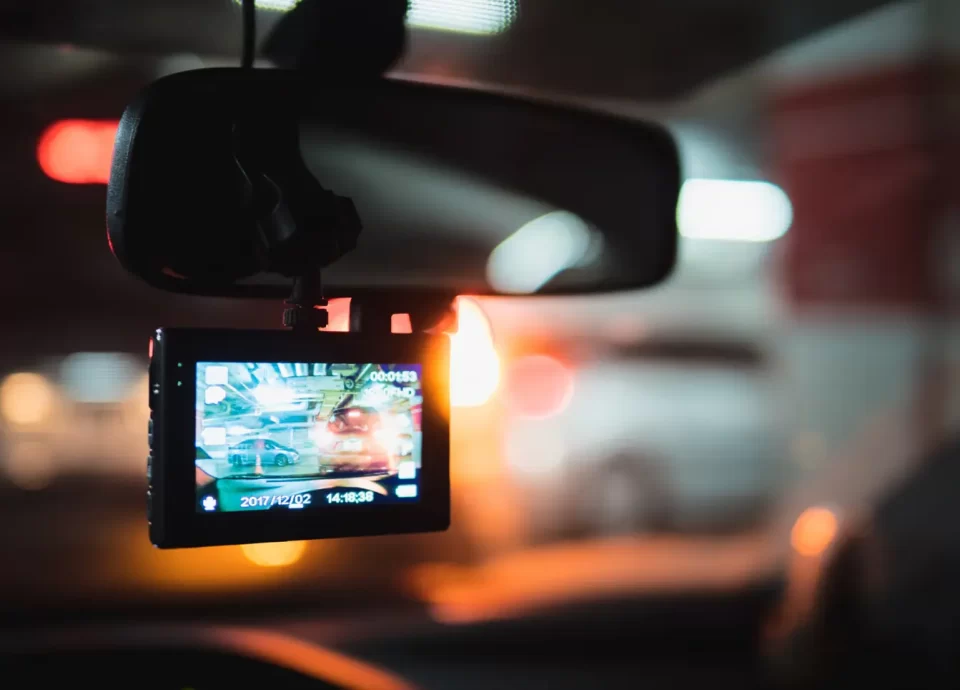
Store reports, photos, correspondence, and any dash cam footage in separate folders. Preserve original files and use copies for annotations. Our dash cam preservation article offers a practical file checklist.
Identify missing information without investigating on your own
You may not have access to driver logs, maintenance records, company agreements, or vehicle data. List what is missing and discuss it with an attorney. Do not access someone else’s devices, accounts, or property.
For help evaluating an injury collision, learn about our truck accident practice or contact our team. Collecting identifiers supports an investigation; it does not determine fault or guarantee a recovery.