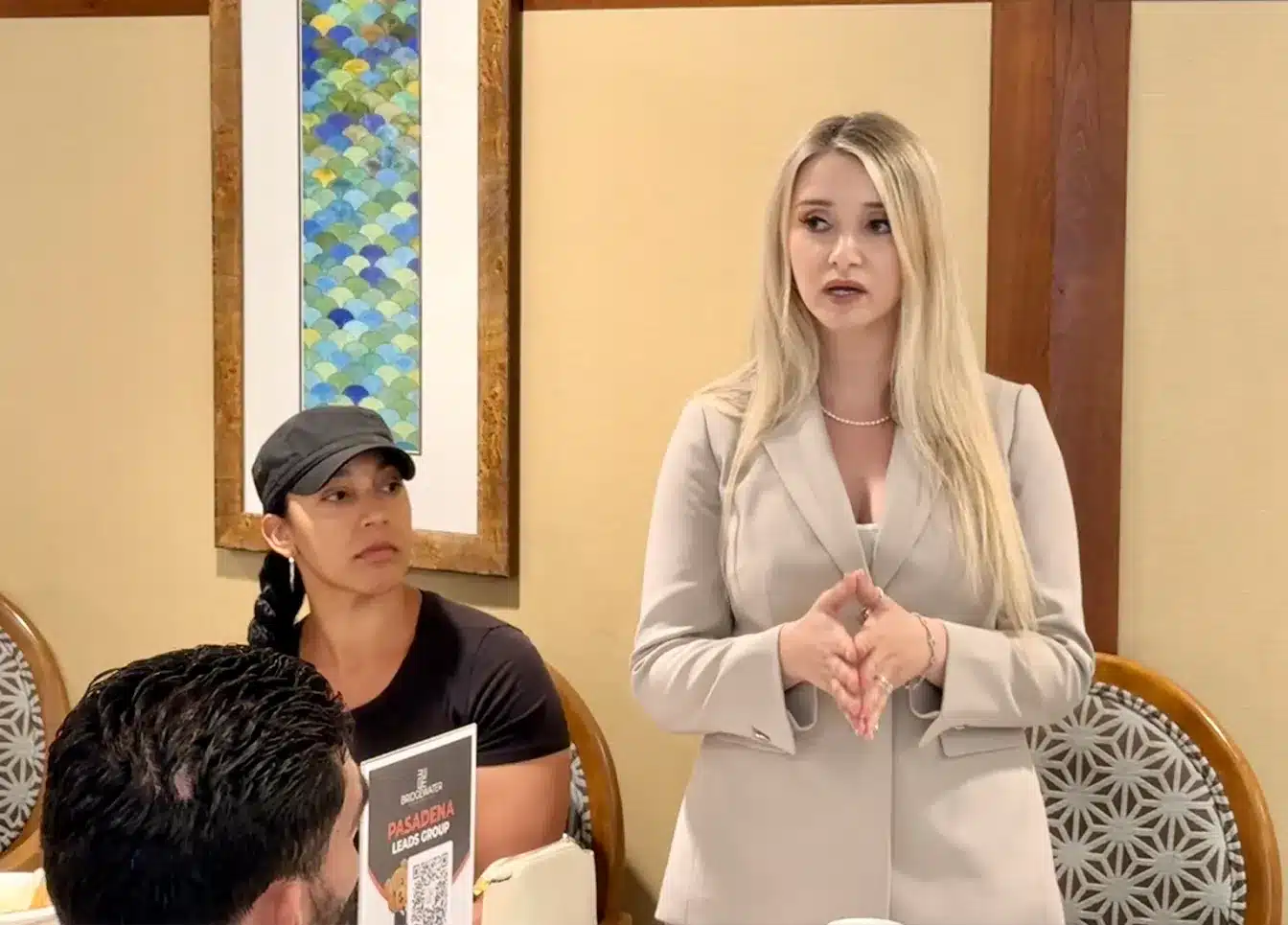
BRIDGEWATER LEADS GROUPS · PRACTICAL GUIDE
The person with the most useful question may do work very different from yours.
You sit beside someone whose business seems unrelated to your own. You design websites; they coordinate events. At first, it is hard to imagine what you might have to talk about.
Then they describe the questions attendees ask before registering. You recognize a familiar problem: people cannot take the next step when the information they need is hard to find.
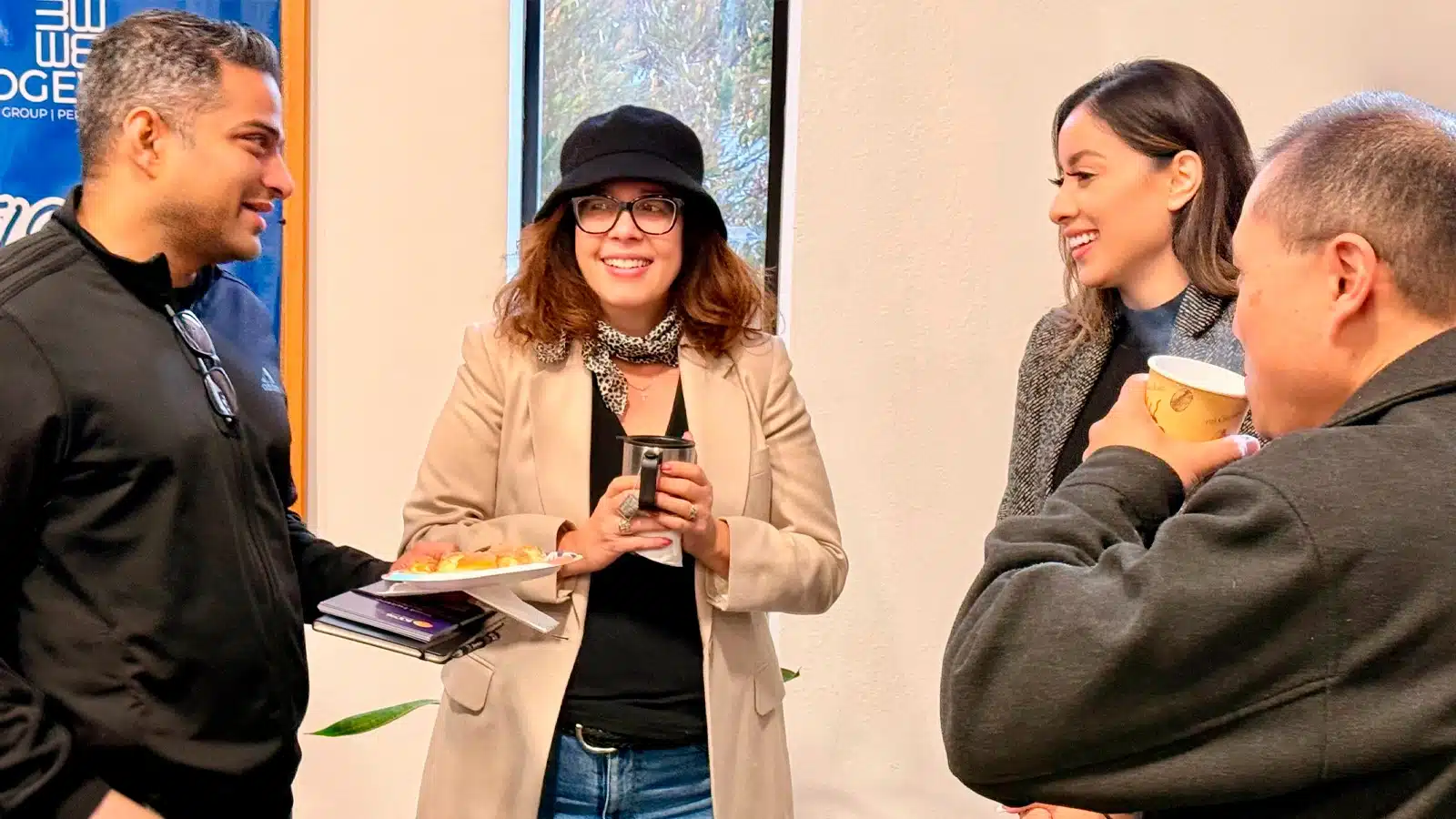
Different professions can encounter similar situations from different angles. A networking conversation gives you a chance to discover those connections without assuming a partnership has to follow.
01 / LOOK AT THE SITUATION
Find the overlap behind different job titles
Start by asking what is happening when someone needs the other person’s help. The answer may reveal a shared context even when the services are distinct.
A business preparing to open a location might work with a photographer, a sign maker, and a website designer. Each handles a different part of the launch. Understanding those roles can help you ask better questions about your own piece of the project.
Illustrative connection
A photographer explains that new business owners sometimes book a shoot before deciding where the images will appear. A website designer recognizes why that matters: a wide banner and a square profile photo need different compositions.
The useful takeaway may simply be to ask about image placement earlier. It does not require exchanging a lead or selling a package together.
02 / LEARN FROM ANOTHER PROCESS
Ask how they solve a familiar problem
Many businesses deal with unclear expectations, scheduling changes, or missing information. Hearing how another professional approaches one of those problems can give you a question to take back to your own work.
- Getting started: “What do you ask a new client to prepare before the first meeting?”
- Setting expectations: “How do you explain what is included before a project begins?”
- Managing handoffs: “What information helps you avoid delays when another provider is involved?”
Listen for the reasoning, not just a tactic to copy. A process that works for a one-day event may need significant changes before it fits a month-long design project.
03 / EXPLORE A SMALL IDEA
Test the connection before promising a collaboration
If you both see an overlap, choose a modest next conversation. You might compare the questions you each ask at the start of a project or discuss whether a short educational session would be useful.
Be specific about the audience, the topic, and each person’s role. “Let’s collaborate sometime” is difficult to act on. “Would it be useful to compare our event-planning checklists?” gives you something concrete to consider.
Three questions before taking the idea further
Who would this help? Name a real audience and a specific problem.
What would each person contribute? Keep responsibilities clear and within each person’s expertise.
What are we agreeing to now? A conversation is not a commitment to a project, a fee arrangement, or an endorsement.
04 / RECOGNIZE THE LIMITS
An interesting conversation does not have to become a referral
You may understand someone’s work better and still not be ready to recommend them. Take time to learn about their experience, scope, and approach before making an introduction that carries your endorsement.
Do not share client details to prove that your audiences overlap. An anonymous description of a common situation is usually enough for an initial discussion. If an actual introduction later makes sense, ask the people involved before sharing their information.
For more on that distinction, read our guide to referral partnerships built on trust.
05 / MAKE THE NEXT MEETING USEFUL
Choose someone whose work you do not yet understand
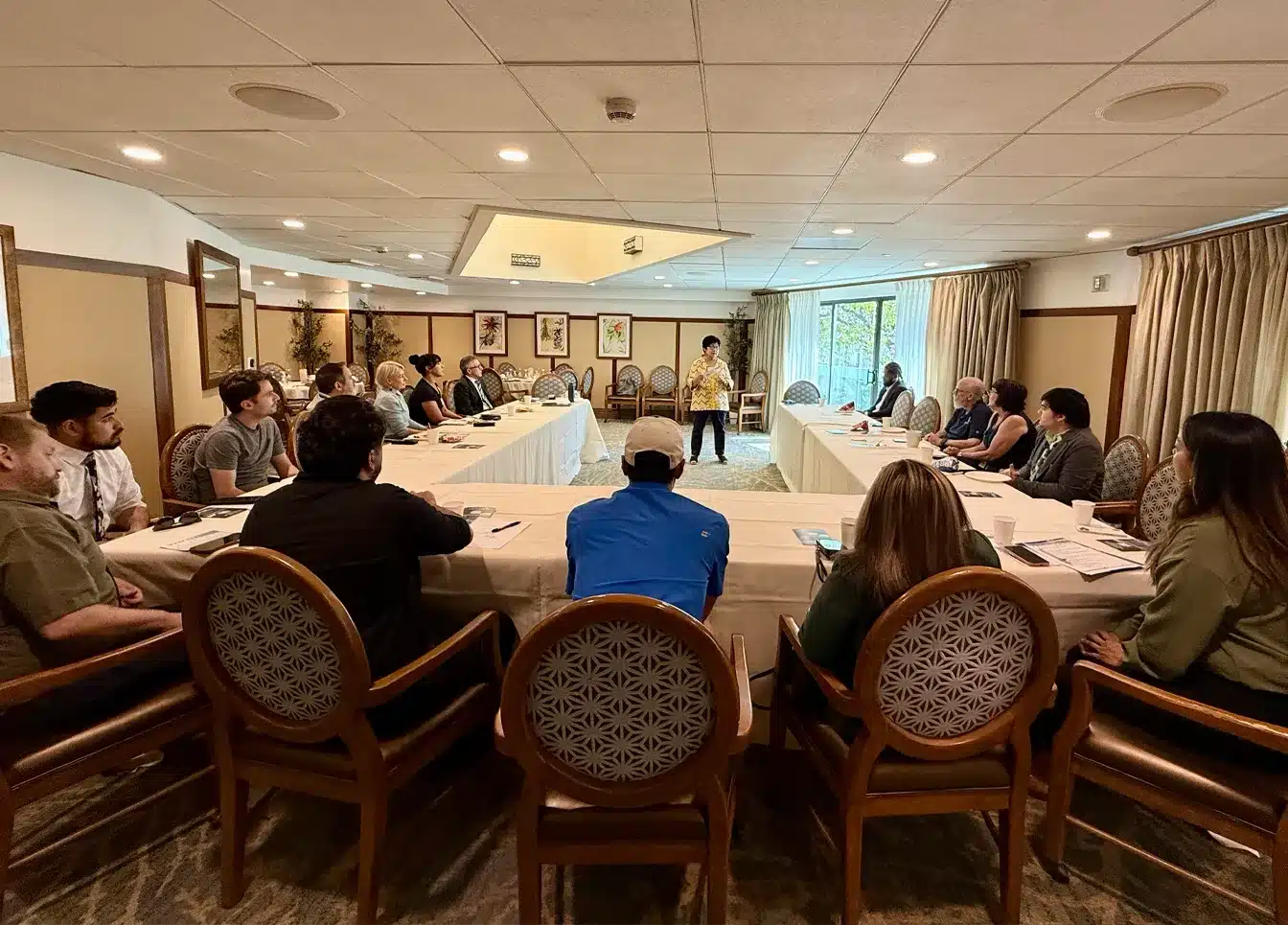
At your next group meeting, notice one profession you know little about. Ask about a common project, listen for where it connects with another service, and explain what you learned in your own words.
If both of you want more time, arrange a separate conversation. Our 1-to-1 networking meeting guide can help you share the time and explore each other’s work.