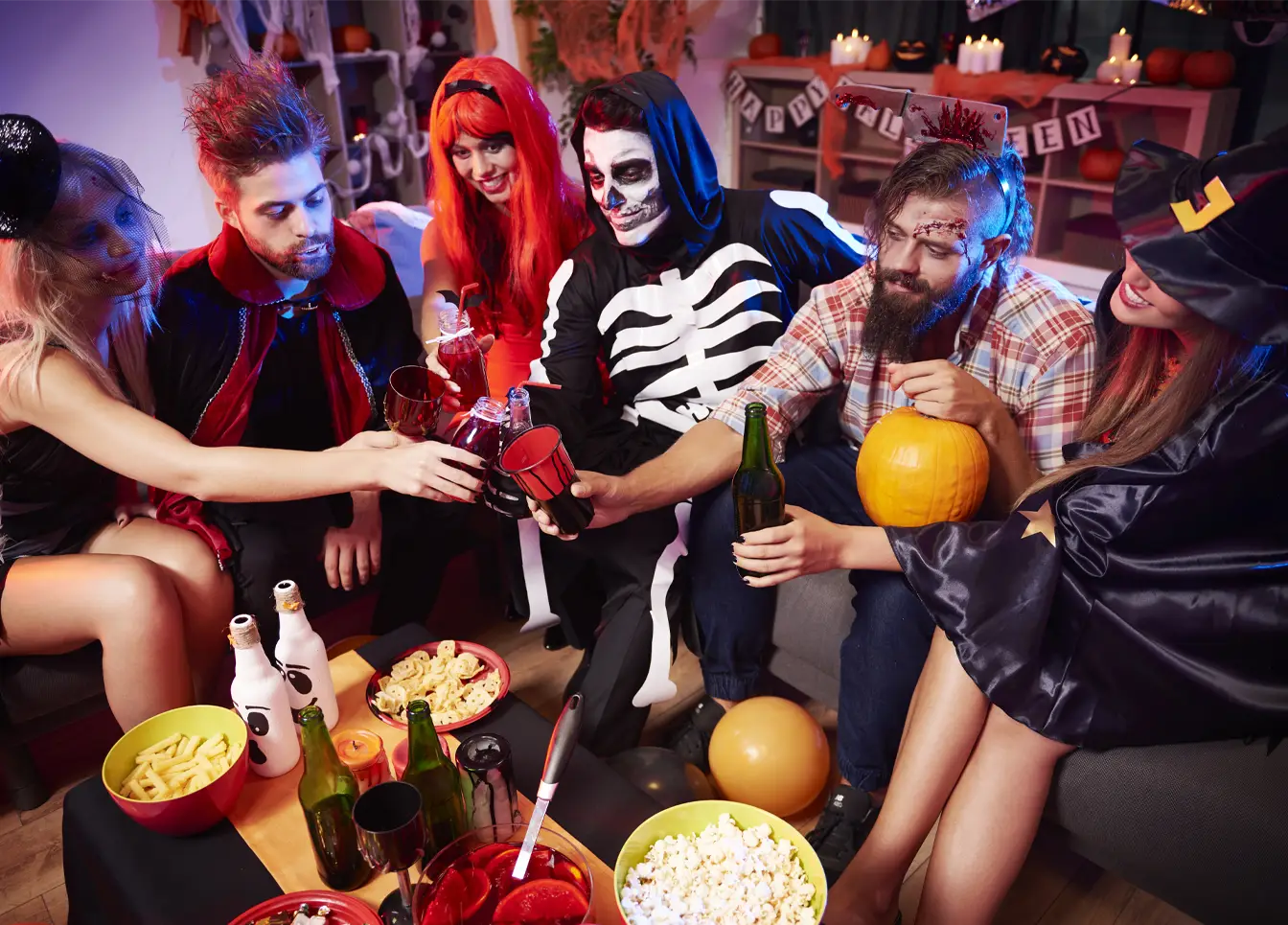
A cape catches on a porch step. A driver watches for a gap in traffic but misses the family crossing the driveway. A party ends with everyone assuming someone else arranged the ride home.
Halloween safety starts with these ordinary moments. This guide offers a practical plan for walking, driving and welcoming visitors in California, plus a short checklist for keeping records if someone is injured.
Before you leave: a five-minute family check
- Walk in the costume. Can your child see to both sides, climb a step and walk without catching a hem?
- Check the light. Pack a working flashlight and add reflective details to outer clothing, not just a costume that a jacket will cover.
- Agree on the route. Choose crossings before heading out and decide where the group will meet if separated.
- Make the return plan. Name the adult responsible for pickup and agree on a location away from moving traffic.
Give the crossing as much attention as the next house
Use sidewalks and cross at intersections or crosswalks. Look for turning vehicles as well as traffic coming straight toward you. Keep younger children with an adult, and pause together before each crossing instead of letting the group stretch across the street.
For example, if the next decorated house is across the road, walk to the crossing rather than following another family between parked cars. A familiar street can feel very different when cars, costumes and visitors fill the block. See NHTSA’s Halloween safety guidance for walking and driving reminders.
Driving on Halloween: look beyond the car ahead
Slow down and scan for people near parked vehicles, intersections and driveways. Expect children in places where you would not normally see pedestrians. Before turning or backing out, check the path your vehicle will actually cross.
A pickup plan worth sending in advance
“Let’s meet at the agreed pickup spot. Wait together on the sidewalk until I am parked and you can approach safely. If the street is crowded, call me before changing locations.”
Example family message. Choose a legal, accessible pickup spot for your route.
Hosting? Check the path from the sidewalk to the door
Look at your entrance from a visitor’s perspective. Move cords and decorations out of walking areas, light steps and keep the route clear. A decoration that looks obvious from the doorway may be hard to see from the sidewalk.
The Consumer Product Safety Commission recommends battery-operated lights instead of open flames, costumes that fit without trailing fabric, and masks that allow clear vision and breathing. Flame-resistant fabric can still burn. Leave pumpkin carving to adults; children can scoop the inside or draw the design.
Plan the ride home before the first drink
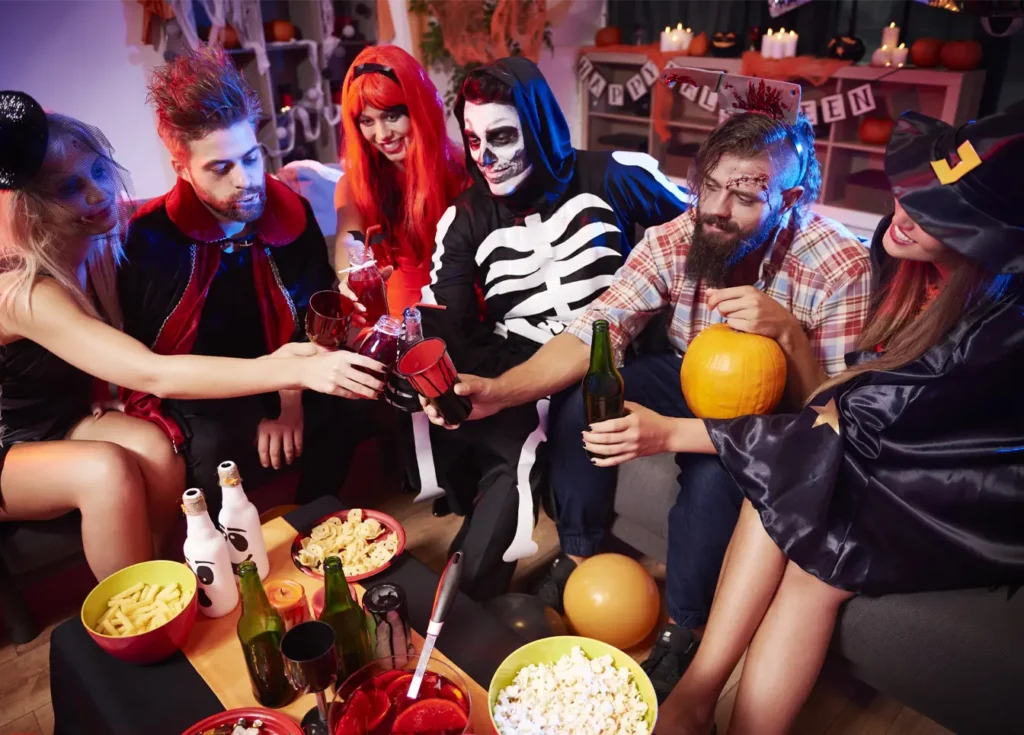
Choose a sober driver or arrange another ride before drinking. Hosts can offer alcohol-free options and help guests get home safely. If the original driver drinks, change the transportation plan. An available car is not a reason to drive impaired.
If someone is injured, start with safety and care
Call 911 for an emergency. Get out of immediate danger if you can do so safely, and seek appropriate medical care. Gathering records comes afterward. Do not enter traffic or return to an unsafe property just to take a photograph.
- Record the location and time. Include the nearest intersection or the entrance involved and what you personally observed.
- Preserve the scene when safe. Photographs of a cord, step, vehicle position or lighting may help explain what happened. Keep original files.
- Collect available contacts. Save witness details, driver or property contact information and any incident or police report number.
- Keep the paperwork together. Store medical documents, receipts and insurance correspondence in one private folder.
If a child was hurt, our guide for parents after a child’s accident offers more detailed next steps.
Does a Halloween injury automatically mean someone is liable?
No. Responsibility depends on the circumstances and the applicable law. A traffic collision, an unsafe entrance and a dog bite can raise different legal questions. The California Courts’ personal injury overview explains why the legal basis and supporting evidence matter.
You do not need to decide who is responsible before asking questions. Tell Bridgewater Law Group what happened, where it happened and what records you have. Request a free consultation to discuss your situation.
General information only, not legal advice. This guide does not determine responsibility, insurance coverage or the outcome of a claim.