Pool and Water Safety Tips for California Families
Practical water safety tips for pools, beaches, lakes, boating, and water-related injuries in California.
View details

Car Accident Help
Practical tips for road trips, water days, parks, bikes, scooters, grills, fireworks, and what to do if someone gets hurt.
Free ConsultationQuick Answer
Summer activities are safer when families plan ahead, use proper safety gear, supervise water and outdoor activities, and document what happened if an injury occurs.
Summer brings road trips, pool days, parks, bikes, scooters, grills, and fireworks. A few simple safety habits can help prevent injuries and keep the season focused on good memories.
The best summer safety plan is simple: plan breaks before long drives, supervise water activities closely, use helmets and life jackets, watch for wet or uneven surfaces, keep grills and fireworks away from children, and get medical help quickly if an injury happens.

Long drives, holiday traffic, construction, and fatigue can increase the risk of car accidents during summer travel.
If a crash happens: Bridgewater can help with car accident claims, insurance issues, and next steps after an injury. Learn about car accident help.
Pools, lakes, beaches, and boating can be fun, but water injuries can happen quickly when supervision or safety gear is missing.
If an injury happens on someone else’s property: premises liability may apply when unsafe conditions contributed to the accident. Learn about premises liability.
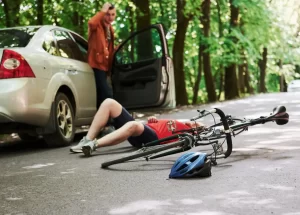
Bikes, e-bikes, and scooters are popular in summer, especially around parks, neighborhoods, and busy tourist areas.
If a rider is hurt: Bridgewater can help review what happened and whether a driver, property owner, or other party may be responsible. Learn about bicycle and scooter accident help.
Wet surfaces, uneven paths, playgrounds, parking lots, and crowded public spaces can create fall hazards in the summer.
If unsafe conditions caused a fall: take photos and report the hazard as soon as possible. Learn about premises liability.
Grills, fireworks, fire pits, hot surfaces, and summer events can lead to serious burns when safety space is not maintained.
If a burn injury happens: seek medical care right away and document where and how the injury occurred. Contact Bridgewater for guidance.
Bridgewater Law Group can help you understand your options after a car accident, fall, bike or scooter crash, water-related incident, or burn injury. Contact our team for a free consultation.
A water watcher is an adult assigned to supervise swimmers without distractions.
A water watcher is an adult assigned to supervise swimmers without distractions. The person should avoid phones, alcohol, cooking, and other tasks while watching people in or near the water.
Document the location, hazard, warning signs, witnesses, incident reports, and medical care.
Document the location, surfaces, warning signs, lighting, safety equipment, witness names, incident reports, and medical care. Photos can be especially helpful because conditions around pools, beaches, and event spaces may change quickly.
Check your helmet, brakes, tires, handlebars, lights, reflectors, and battery charge.
Before riding, check your helmet fit, brakes, tires, handlebars, lights, reflectors, and battery charge. Make sure clothing, bags, and loose items cannot interfere with wheels or handlebars.
Look for broken equipment, sharp edges, unstable railings, unsafe surfaces, and poor lighting.
Parents should look for broken equipment, exposed bolts, sharp edges, unstable railings, overheated surfaces, uneven ground, loose mats, poor lighting, and crowded play areas.
Save photos, medical records, packaging, warnings, receipts, reports, and witness information.
Save photos, medical records, packaging, warning labels, instructions, receipts, incident reports, and witness information. If the injury happened at an event, also save tickets, event details, and the location of the incident.
Move to safety, call 911 if needed, exchange information, take photos, get witness names, and seek medical care.
After a holiday travel crash, move to safety and call 911 if anyone is injured or the roadway is blocked. Exchange driver, vehicle, and insurance information. Take photos of the vehicles, road conditions, signs, construction areas, debris, and injuries. Get witness names and seek medical care if symptoms appear.
Practical water safety tips for pools, beaches, lakes, boating, and water-related injuries in California.
View detailsTips for safer bike, e-bike, and scooter rides during summer, plus what to document after a crash.
View detailsHow families can spot playground hazards, surface risks, and unsafe park conditions before injuries happen.
View detailsSafety tips for grills, fire pits, fireworks, and what to do after a burn injury.
View detailsOur team joined local business leaders to learn about Santa Fe Springs city planning, community development, and the year ahead.
View detailsBridgewater participated as a Hole Sponsor at the sold-out GOOD Officer “Ricky” Galvez Memorial Golf Tournament in Downey.
View detailsOur team shared legal-service information and connected with the local Hispanic business community in Norwalk.
View details
Bridgewater Law Group can help you understand your options after a car accident, fall, bike or scooter crash, water-related incident, or burn injury.
5.0 rating on Google, Yelp & Facebook
This resource is for general information only and is not legal advice. Every case depends on its own facts, evidence, deadlines, and available insurance coverage.