

Food & Consumer Safety
Junkfood or Junk in Your Food?
A foreign object, a broken tooth, or an unexpected illness: know what to do when a meal causes an injury
Request a Free Case EvaluationQuick Answer
If safe, photograph the food with the object still inside, preserve the evidence, notify the manager, request an incident report, seek prompt medical or dental care, and contact Bridgewater for a free case evaluation.
The full guide
Waffles with screws, plastic in a burger, or a meal that leaves you with a broken tooth or an unexpected illness. Eating out is expensive enough without an injury adding treatment bills and time away from work.
Imagine taking a bite of your favorite cheeseburger, feeling a sharp crack, and finding a metal screw in the patty. That is an illustrative scenario, not a report of a specific Bridgewater case. Your health comes first. Then, if you can do so safely, preserve the details of what happened.
This guide expands Bridgewater’s “Junkfood or Junk in Your Food?” newsletter into a practical checklist you can return to after a food-related injury.
Hurt by your food? Six steps to take
1. Photograph the food
If safe, take photographs with the foreign object still inside the food. Include a close view of the object and a wider view of the meal, packaging, and surroundings. Keep the original photographs.
2. Preserve the evidence
Do not hand the object back to the restaurant. Keep the food, foreign object, receipt, and packaging when it is safe to do so. Avoid further handling or altering the object. Ask your attorney or the investigating health department how any physical evidence should be stored or transferred.
3. Notify the manager
Report what happened as soon as medically possible. Note the restaurant location, date and approximate time, what you ordered, and the name of the person you spoke with. Keep your description factual.
4. Request an incident report
Ask the restaurant for a copy of its incident report. If no report is provided, make your own dated account and retain any emails, messages, or reference numbers. A missing restaurant report does not prevent you from contacting Bridgewater to discuss what happened.
5. Get medical or dental care
Seek prompt care for your injury. Photographing food or speaking to a manager should not delay necessary treatment. Tell your provider what happened and keep copies of the treatment instructions, records, and bills you receive.
6. Contact Bridgewater Law Group
Request a free case evaluation or call (626) 733-4100. Our team can review the available information, explain your options, and evaluate whether you may have a claim. An injury alone does not establish who is legally responsible.
What to keep in your injury file
- Original photographs of the food, foreign object, and packaging
- The receipt, order confirmation, or other record of the purchase
- The object and remaining food, if safe to preserve
- A dated account of the incident and your conversation with the restaurant
- Any restaurant incident report or correspondence
- Medical or dental records, treatment instructions, and bills
- Records of missed work or other expenses you want to discuss
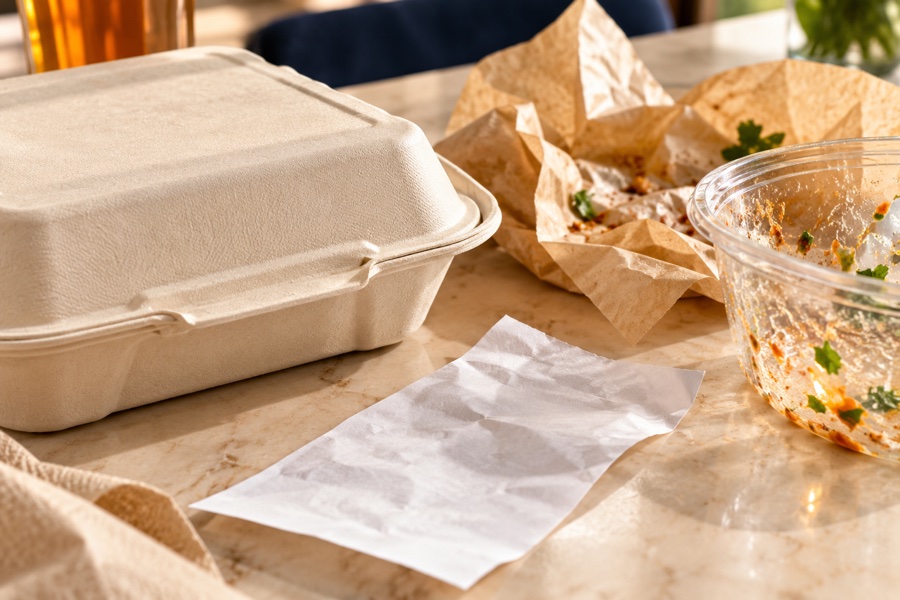
Food-related injuries worth discussing
The original Bridgewater newsletter identifies broken teeth, jaw injuries, cuts or bruising to the tongue, cheeks, gums, or lips, severe burns, and food poisoning as potential injuries to discuss with the team.
Treatment costs, missed work, and the effects of an injury can be part of the discussion. The available evidence, cause of the injury, and circumstances matter. No particular recovery or treatment arrangement is guaranteed.
If you suspect food poisoning
Contact a healthcare provider and write down what you ate and where you ate during the week before you became ill. Keep receipts and labels, and report suspected foodborne illness to your local health department. The CDC notes that the last meal you ate is not necessarily the source of an illness. See the CDC’s guidance on suspected food poisoning.
The CDC recommends medical care for severe symptoms, including bloody diarrhea, diarrhea lasting more than three days, fever above 102°F, frequent vomiting that prevents keeping liquids down, or signs of dehydration. See its food poisoning symptoms guidance. This page cannot diagnose the cause of your symptoms.
More help from Bridgewater
Browse the Personal Injury Resource Center for other practical guides, or explore our personal injury FAQs. If your question concerns a specific food injury, use the questions below or contact our team.
Common Questions About This Topic
What should I save after finding a foreign object in my food?
Save photographs, the foreign object and food if safe, the receipt, packaging, and any restaurant correspondence.
<p>If safe, photograph the food with the foreign object still inside. Keep the original photographs, receipt or order record, packaging, and your notes about the incident. Do not give the object back to the restaurant.</p><p>Your health comes first. Ask your attorney or the investigating health department how physical evidence should be stored or transferred.</p>
What if the restaurant will not give me an incident report?
Ask for a copy, record your request, and keep your own dated account of what happened.
<p>Ask the manager for a copy and keep a note of who you spoke with and when. Save any messages or reference numbers. If the restaurant does not provide a report, write a factual account of the incident while the details are fresh.</p><p>You can still contact Bridgewater to discuss the available information. A restaurant report is one possible record, not the only information the team can review.</p>
Can I discuss a broken tooth caused by an object in food with a lawyer?
Yes. Bridgewater can review what happened and the available evidence, but compensation is not automatic.
<p>A broken tooth or jaw injury is one of the food-related injuries identified in Bridgewater’s newsletter. Seek dental care and preserve photographs, the object if safe, purchase records, and treatment documents.</p><p>Bridgewater can evaluate whether you may have a claim. Responsibility and any potential recovery depend on the circumstances and evidence; an injury alone does not guarantee compensation.</p>
What should I do if I suspect food poisoning after a restaurant meal?
Talk to a healthcare provider, record your recent meals, keep receipts, and report suspected illness to your local health department.
<p>The CDC recommends contacting a healthcare provider, recording what you ate during the previous week, and reporting suspected foodborne illness to your local health department. The last meal you ate is not necessarily the source.</p><p>Keep receipts and packaging or labels. Read <a href="https://www.cdc.gov/foodborne-outbreaks/what-to-do/index.html">CDC guidance on suspected food poisoning</a> and contact a provider about your symptoms.</p>
What should I bring to a food injury case evaluation?
Bring your account of the incident, photographs, purchase records, restaurant communications, and treatment documents you have.
<p>Gather the date and location, what you ordered, your description of the injury, photographs, receipt, and any report or messages from the restaurant. Include medical or dental records and bills you have received.</p><p>You do not need to wait until your file is complete to ask a question. Bridgewater offers a free case evaluation to review what happened and discuss possible next steps.</p>
Questions after a food-related injury?
Bridgewater Law Group can review what happened, explain your options, and evaluate whether you may have a claim.
5.0 rating on Google, Yelp & Facebook
Attorney advertising. General information only, not legal or medical advice. This resource does not create an attorney-client relationship. Each case depends on its facts and evidence; results are not guaranteed. Food photographs are illustrative and created with AI.