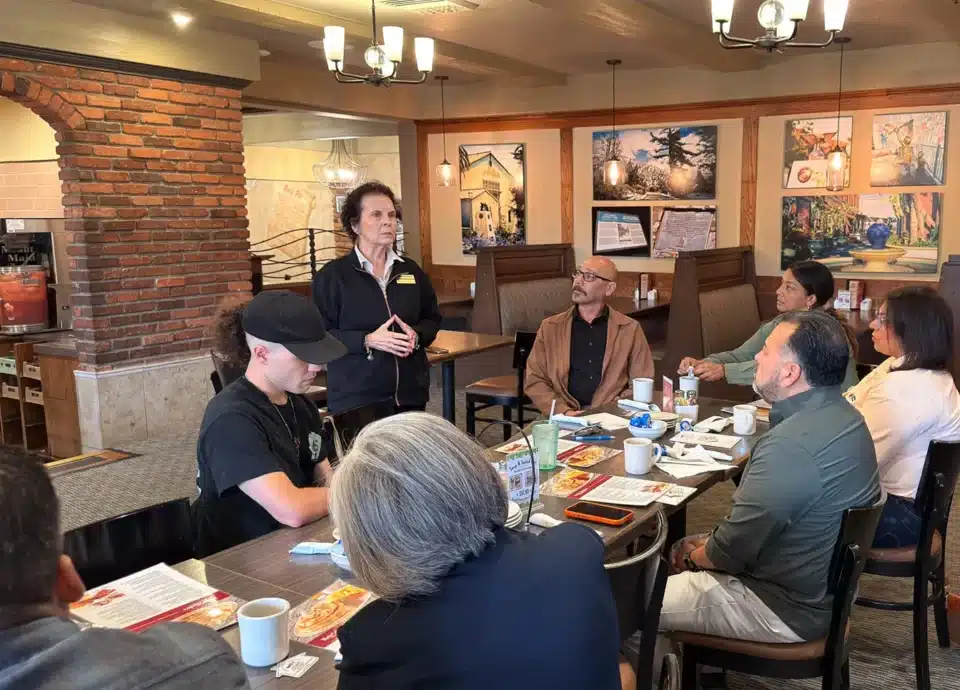
Attending networking events is often seen as a necessary part of professional growth. You meet new people, exchange contact information, and engage in brief conversations that feel productive in the moment. Yet days or weeks later, many professionals realize that those interactions rarely translate into meaningful relationships, collaborative opportunities, or measurable business growth.
This experience is common, and it does not stem from a lack of effort or professionalism. More often, it reflects how most networking environments are structured, prioritizing introductions over continuity and activity over relationship development.
Understanding this distinction is essential for professionals who want networking to produce real, lasting value.
Why Many Networking Events Feel Unproductive
Most professionals have experienced the same frustration: conversations feel rushed, follow-up rarely happens, and interactions remain surface-level. Participants often feel pressure to promote their services rather than build genuine connections.
Over time, this creates activity without progress, motion without momentum.
The Real Limitation: Lack of Continuity
Traditional networking emphasizes volume. Meet as many people as possible, exchange information, and move on. While this approach increases exposure, it does little to build familiarity or credibility.
Professional relationships develop through repeated interaction, context, and consistency. Without continuity, even promising connections fade before they evolve into real opportunities.

Professional opportunities rarely grow from brief encounters.
They grow from relationships built through consistency and credibility.
Social Networking vs. Professional Networking
Not all networking serves the same purpose.
Social networking creates familiarity and casual connection.
Professional networking creates continuity and credibility.
Social interaction may end when the event concludes. Professional relationships continue through ongoing engagement and shared experiences.
Recognizing this distinction changes how professionals evaluate networking environments.
What Professionals Actually Need to Grow
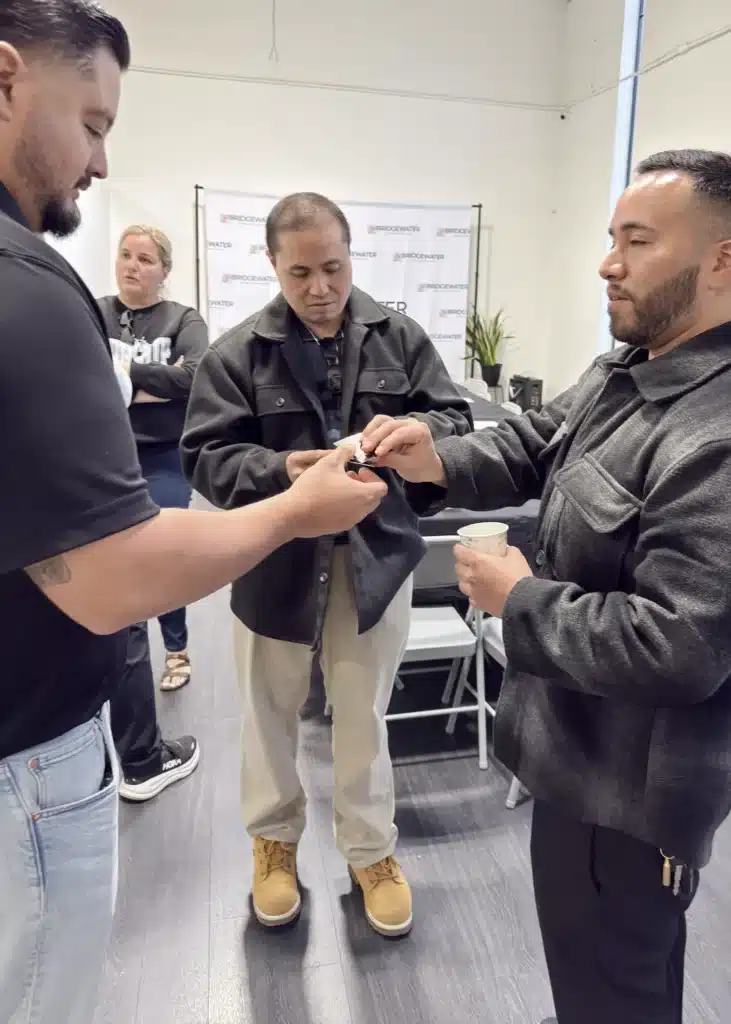
Sustainable growth is rooted in familiarity, credibility, and consistent interaction. Professionals benefit most from environments that provide:
✔ continuity and regular interaction
✔ structured, purposeful conversations
✔ accountability and mutual support
✔ opportunities to demonstrate value over time
✔ a relationship-focused culture
These elements transform networking from random encounters into meaningful professional connections.
Moving From Transactions to Relationships
When networking is approached as a transaction, the focus is immediate return. When it is approached as a relationship, the focus shifts to long-term value.
This shift reduces pressure, improves conversation quality, and creates space for genuine professional connection, the foundation of sustainable growth.
How to Make Networking More Effective
If you want networking to produce real results, focus on:
• attending consistently rather than occasionally
• prioritizing meaningful conversations over volume
• following up with intention
• building familiarity before expecting opportunities
• investing in relationships rather than quick wins
Small shifts in approach often produce the greatest long-term impact.

Final Thought
Networking does work. But meaningful growth rarely comes from who you meet once. It comes from the relationships you build over time.
When continuity replaces randomness and relationships replace transactions, networking becomes a strategic advantage rather than an obligation.